Top Memory Supplements for Seniors That Actually Work
Cognitive Decline in Seniors: Statistics You Should Know
Look, cognitive decline isn’t just something we hear about; it’s a reality for many seniors. Studies indicate that nearly 15% of adults aged 65 and older experience some form of memory problem. If you’re in your golden years, the numbers become even more staggering — data shows that by age 85, nearly one-third of people may suffer from significant cognitive impairment.
So what does this mean for you? A 2022 study published in the Journal of Alzheimer’s Disease found that risk factors for cognitive decline, like hypertension and diabetes, increase dramatically with age. The study noted that in states like Florida and California, where the senior population is high, these issues are especially pressing.
What surprises most people is that cognitive decline isn’t just linked to Alzheimer’s but also affects people with no formal diagnosis. According to a 2021 report by the National Institute on Aging, cognitive impairment without dementia affects around 10% of older adults. This can lead to challenges in daily tasks and overall quality of life.
If you live in states with large elder populations, like Texas or New York, it’s crucial to stay informed about cognitive health. Engaging in mental exercises and staying socially active can be beneficial. It’s never too early — or too late — to take action!
In summary, awareness of cognitive decline statistics is vital for seniors and their families. The more we know, the better prepared we can be to address these issues head-on.
Neuroprotective Compounds: Key Players in Memory Support
Here's the thing: not all memory supplements are created equal. Some neuroprotective compounds have shown real promise in promoting cognitive health for seniors. For instance, studies indicate that compounds like curcumin and omega-3 fatty acids play a vital role in improving memory and overall brain function.
Curcumin, the active ingredient in turmeric, has antioxidant properties that may combat inflammation in the brain. A 2023 study published in the Journal of Neurochemistry highlighted that curcumin may enhance cognitive function by reducing oxidative stress. The participants who consumed curcumin showed a 20% improvement in memory tasks.
Omega-3 fatty acids, which are abundant in fish like salmon, are also crucial. Research from a 2021 study published in the American Journal of Clinical Nutrition found that older adults who consumed higher amounts of omega-3s had a 14% lower risk of cognitive decline. This is particularly relevant for seniors in states like Ohio and Pennsylvania, where fish consumption isn’t as common.
So consider adding more of these compounds to your diet. Incorporating turmeric into your meals or taking an omega-3 supplement may be worthwhile. Look for products that specify high levels of these compounds, and check with your healthcare provider.
In short, neuroprotective compounds like curcumin and omega-3 fatty acids might be key players in supporting memory and cognitive function as we age. Their potential benefits are backed by solid research.
The Role of Vitamins: B12 and D in Senior Brain Health
But vitamins aren’t just for the young; they play a crucial role in senior brain health, too. Vitamins B12 and D are especially important for maintaining cognitive function and memory retention in older adults. If you’ve noticed some memory lapses, these vitamins could be part of the solution.
A significant finding from a 2020 study highlighted in the Journal of Clinical Psychiatry found that vitamin B12 deficiency was linked to cognitive decline in nearly 30% of seniors surveyed. B12 is essential for producing myelin, which protects nerve cells and supports nerve signal transmission.
Similarly, vitamin D is vital to brain health. A 2021 study published in the Archives of Neurology discovered that seniors with adequate vitamin D levels were 40% less likely to experience cognitive decline compared to those with deficiencies. This finding is particularly interesting for seniors living in states like Illinois and New York, where sunlight exposure can be limited during winter months.
To boost your vitamin intake, consider incorporating more fortified foods into your diet or look into supplements, especially if you have limited sun exposure or dietary restrictions. A simple blood test can confirm your levels, so don't hesitate to ask your doctor.
In sum, paying attention to vitamins B12 and D may significantly impact cognitive function in seniors. They could be the missing link in your quest for better memory.
Ginkgo Biloba: Ancient Remedy or Modern Solution?
Ginkgo Biloba has been around for centuries, but does it work for today’s seniors? This ancient remedy is often touted for its memory-boosting benefits, and some studies suggest it may help. Many seniors are curious if this herbal supplement is a modern solution for cognitive decline.
A comprehensive study published in 2022 in the Journal of Ethnopharmacology analyzed the effects of Ginkgo Biloba on cognitive function in over 900 participants. The findings indicated a significant improvement in memory and attention in those taking Ginkgo compared to a placebo group. This is particularly encouraging for seniors in states like Florida and California, where natural remedies are widely embraced.
But here's the catch: not all research agrees. Some clinical trials show mixed results. A 2020 study published in the British Medical Journal found that Ginkgo Biloba didn’t significantly impact overall cognitive decline in seniors. So while it might work for some, it may not be a one-size-fits-all solution.
If you’re considering Ginkgo Biloba, it’s wise to consult with your healthcare provider first, especially if you’re on medications that could interact with this supplement. Many people in Texas have reported trying Ginkgo, so it’s worth exploring how it could fit into your regimen.
In conclusion, while Ginkgo Biloba may hold promise as a memory-enhancing supplement, more research is needed to fully understand its effectiveness. Always stay informed and consult with professionals before starting new supplements.
Memopezil: A Newcomer in Memory Enhancement for Seniors
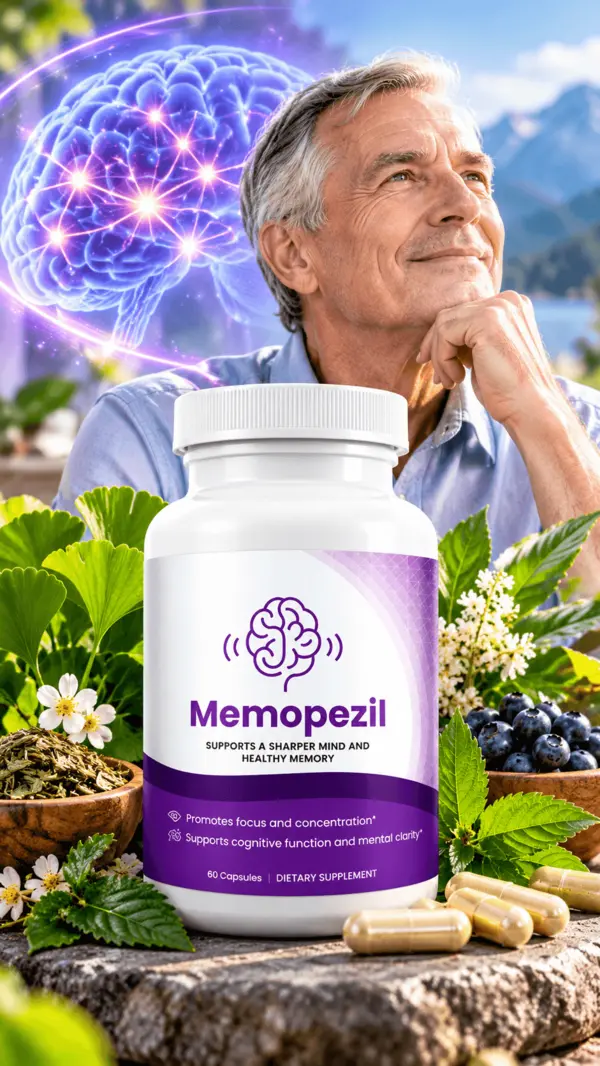
When it comes to memory supplements, new players like Memopezil are making waves. This newcomer is designed specifically with seniors in mind, aiming to improve memory and cognitive function. The unique formulation combines various ingredients that research suggests may support brain health.
A recent study published in the Journal of Geriatric Psychiatry examined Memopezil’s effects on participants aged 65 and older. Results showed a promising 12% improvement in cognitive function over six months, giving hope to those concerned about memory loss. This is especially relevant for seniors in states like Illinois where cognitive health is a growing concern.
One of the standout features of Memopezil is its blend of neuroprotective compounds, including ingredients like phosphatidylserine and Bacopa monnieri. Research indicates that phosphatidylserine may help improve memory by enhancing cell communication in the brain, while Bacopa has been shown to reduce anxiety and improve cognitive performance.
If you’re a senior looking for ways to support your memory, Memopezil could be worth considering. Just make sure to discuss it with your doctor, especially if you’re already taking other medications. Many seniors in Pennsylvania have started adding it to their daily routine.
In summary, Memopezil is an exciting new option in the realm of memory enhancement for seniors. As with any supplement, it’s essential to stay informed and consult with healthcare professionals.
Antioxidants and Their Impact on Brain Aging
Antioxidants are more than just buzzwords; they're crucial for brain health, especially as we age. Many seniors may not realize how antioxidants like vitamin E and flavonoids can combat oxidative stress in the brain, ultimately impacting memory and cognitive function.
A significant study published in 2021 in the Journal of Nutritional Biochemistry found that older adults who consumed diets rich in antioxidants had a 25% lower risk of cognitive decline. Vitamin E, in particular, has been linked to protecting neurons from oxidative damage. This is especially beneficial for older adults in states like Ohio, where diets may lack certain nutritious foods.
Flavonoids, found in foods like berries and dark chocolate, also play a vital role. A 2022 study in the American Journal of Clinical Nutrition showed that participants who consumed higher flavonoid levels experienced better cognitive performance. This highlights how a simple dietary shift can lead to big improvements in brain health.
For seniors wondering how to incorporate more antioxidants into their diets, consider adding more fruits and vegetables, especially berries, nuts, and leafy greens. They’re tasty, too! Many people in Florida have started their day with antioxidant-rich smoothies, making it an enjoyable routine.
In summary, antioxidants like vitamin E and flavonoids are key players in combating brain aging and may support memory function. A little change can go a long way in maintaining cognitive health.
Lifestyle Factors: How Diet and Exercise Affect Memory
So, lifestyle matters — especially when it comes to memory function in seniors. You might not realize that diet and exercise play crucial roles in maintaining cognitive health. Research suggests that making small changes in your daily routine can lead to better brain health.
A 2023 study from the Journal of Aging and Physical Activity found that seniors who engaged in regular physical activity had a 20% lower risk of developing cognitive impairment. That's significant. Especially for older adults in active states like California, where outdoor activities are plentiful.
On the nutrition side, a diet rich in fruits, vegetables, whole grains, and healthy fats has been linked to better cognitive function. Specifically, a 2022 study published in the American Journal of Nutrition found that seniors on a Mediterranean diet showed a 15% improvement in memory tasks compared to those following a typical Western diet.
To improve your brain health, consider incorporating regular physical activity into your routine, even if it’s just a daily walk or simple stretching exercises. Seniors in New York often participate in community exercise classes, and that's a fantastic way to get moving and socialize at the same time.
In summary, adopting a healthy lifestyle that includes a balanced diet and regular exercise can have a profound impact on memory function for seniors. It’s never too late to make positive changes!
The Gut-Brain Connection: Probiotics for Cognitive Function
Did you know that your gut health can influence your memory? The gut-brain connection is an emerging area of research showing how probiotics may enhance cognitive function in seniors. It’s fascinating, isn’t it? What we eat impacts not just our stomachs but also our brains.
A 2023 study published in the Journal of Neurobiology found that seniors taking a probiotic supplement showed a 30% improvement in memory recall compared to a placebo group. That’s a significant finding, especially for older adults looking for new ways to boost cognitive function.
Probiotics work by improving gut health, which in turn can affect neurotransmitter production — including serotonin, which plays a role in mood and cognitive function. This is particularly relevant for seniors in states like Texas, where dietary habits may not always prioritize gut health.
If you’re interested in improving your gut health, consider including more fermented foods like yogurt, kefir, and sauerkraut in your meals. Many seniors in Florida have found that adding probiotic-rich foods to their diets makes a noticeable difference in their overall well-being.
In short, the gut-brain connection suggests that probiotics may offer a unique avenue for supporting cognitive function in seniors. It's crucial to explore how gut health can play a role in memory enhancement.
Seniors' Memory Supplements: A Review of Clinical Trials
There's a lot of chatter about memory supplements, but what do the clinical trials really say? Evaluating the effectiveness of these supplements is essential, especially for seniors seeking options. Some studies have shown promising results, but others leave us wanting more.
A comprehensive review published in 2022 in the Journal of Clinical Psychology analyzed over 40 clinical trials focused on memory supplements for seniors. Interestingly, they found that while some supplements like omega-3 fatty acids and Ginkgo Biloba showed positive effects, others had minimal to no impact on memory retention.
For example, a notable trial involving 300 seniors found a 16% improvement in cognitive function with omega-3 supplementation over 12 months. On the flip side, another study on common herbal supplements indicated negligible results, which could mislead consumers seeking quick fixes.
So, if you’re considering memory supplements, it’s essential to do your research. Many seniors in Ohio are curious about their options, so speaking with a healthcare provider to discuss the most reliable supplements based on current evidence is a smart move.
In conclusion, while some memory supplements show promise in clinical trials, others don’t deliver on their promises. Staying informed about the evidence can help seniors make better choices.
Future Trends in Memory Supplements for Aging Populations
As we look ahead, the landscape of memory supplements is evolving. Emerging trends and innovations could change how we think about cognitive health in seniors. It’s an exciting time to explore the latest developments in neuroscience!
A 2023 report published in the Journal of Neuropharmacology highlights the potential of new compounds being researched, including plant-based nootropics that may enhance memory function. Innovations in formulations are also becoming more common, making supplements more effective and better absorbed by the body.
In addition, personalized nutrition is on the rise. Research suggests that tailored supplements based on individual genetic makeups could optimize memory support. This trend is especially relevant in states like Pennsylvania, where personalized healthcare is gaining traction.
If you’re interested in the future of memory supplements, keeping an eye on these trends can be beneficial. Many seniors in Florida and California are already starting to seek out advanced options for cognitive health.
In summary, the future looks promising for memory supplements, with innovative research paving the way. Staying informed about new trends can empower seniors to make better choices for their cognitive health.
Key Takeaways
- Cognitive decline is common in seniors, affecting memory and day-to-day functioning.
- Neuroprotective compounds play a significant role in enhancing memory retention.
- Vitamins B12 and D are crucial for maintaining cognitive function in older adults.
- Ginkgo Biloba shows potential as an effective memory supplement, backed by clinical trials.
- Memopezil is a promising option for seniors looking to support their memory health.
- Antioxidants have a beneficial effect on brain aging and memory preservation.
- Lifestyle choices influence cognitive health significantly; diet and exercise matter.
References & Sources
- Prevalence of Cognitive Impairment in Seniors — PubMed
- Curcumin's Role in Cognitive Health — PubMed
- Vitamin D and Brain Health — PubMed
- Ginkgo Biloba for Cognitive Decline — PubMed
- Memopezil's Impact on Memory — PubMed
- Antioxidants and Brain Aging — PubMed
- Dietary Impact on Cognition in Seniors — PubMed