Brain Health and Cognitive Support: A Comprehensive 2026 Resource
Key Takeaways
- ✓ Understanding how the brain changes with age helps us prepare for cognitive shifts.
- ✓ Key nutrients, such as magnesium, are vital for maintaining cognitive function.
- ✓ Memory support relies on neurotransmitters and growth factors like BDNF.
- ✓ Incorporating brain-boosting foods can significantly impact cognitive health.
- ✓ Regular exercise is linked to better cognitive outcomes and brain health.
- ✓ Managing brain fog involves dietary adjustments and mindfulness practices.
How Your Brain Works and Changes With Age
Ever wondered why recalling names or finding the right words seems harder as you age? You’re not alone. Many people experience subtle shifts in cognition around the age of 30, marking the beginning of a natural yet fascinating decline in some brain functions.
As you age, your brain undergoes a series of changes, both structurally and functionally. Neuroplasticity — the brain's ability to reorganize itself by forming new neural connections — plays a crucial role in this process. However, studies indicate that while neuroplasticity remains active throughout life, its efficiency may diminish with age, leading to a decline in cognitive performance. For instance, around age 40, volume loss in the prefrontal cortex can start affecting memory and processing speed, making tasks feel more taxing.
A noteworthy study published in the Journal of Cognitive Neuroscience in 2019 examined the relationship between brain structure and cognitive decline. The researchers found that individuals aged 50 and older exhibited significant structural changes in regions associated with memory, ultimately correlating with diminished cognitive abilities. The data suggests that by the time you hit your 60s, these changes become more pronounced, emphasizing the importance of maintaining cognitive health throughout life.
Take the city of San Francisco, California. Residents can engage in community programs that focus on mental exercises, like memory games or brain teasers, to help counteract these age-related changes. These local activities not only stimulate neuroplasticity but also foster social interactions that are beneficial for overall mental health.
There's a common myth that cognitive decline is inevitable as you reach a certain age. While age does bring changes, it's not a straight path downhill. Many factors, including lifestyle choices, diet, and mental engagement, can positively influence your cognitive trajectory.
So, what can you do today? Start incorporating activities that challenge your brain, like puzzles or learning a new skill. Even something as simple as reading regularly can stimulate cognitive functions and help maintain neuroplasticity. Remember, your brain is capable of growth at any age!
Understanding how your brain changes with age sets the stage for discussing key nutrients that support cognitive function, which we'll dive into next.
Key Nutrients for Cognitive Function
Think about the last time you struggled to concentrate or felt mentally fatigued. It’s frustrating, right? These moments can often be linked to what you’re putting into your body. Nutrient deficiencies may contribute to cognitive issues, making it essential to understand which nutrients play a role in brain health.
Several key nutrients are vital for maintaining cognitive function, with magnesium, omega-3 fatty acids, and antioxidants topping the list. Magnesium, in particular, is a powerhouse for brain health; it plays a critical role in synaptic plasticity, the process that allows your brain to adapt and form new connections. Research indicates that low magnesium levels correlate with impaired memory and cognitive decline. In fact, studies show that individuals with higher magnesium intake may experience a 19% improvement in cognitive performance.
A study published in the Journal of Nutrition in 2020 involved 2,000 participants and highlighted how adequate magnesium intake can positively influence cognitive abilities as you age. Those who consumed the recommended daily allowance of magnesium reported better memory and attention span, underscoring the nutrient's importance.
Residents of Austin, Texas, can benefit from this knowledge by focusing on local foods rich in magnesium, such as spinach, nuts, and whole grains. By incorporating these foods into their diets, they may not only enjoy delicious meals but also support their cognitive health over time.
It’s often thought that cognitive decline is solely due to aging, but that overlooks the significant impact of nutrition. Many people don't realize that what you eat directly affects brain function. By neglecting nutrient-rich foods, you may inadvertently accelerate cognitive decline.
Take action today by assessing your dietary intake of these essential nutrients. Consider adding a few magnesium-rich snacks to your routine or taking a moment to prepare a meal high in omega-3s, like salmon or walnuts. Small changes can lead to meaningful improvements in cognitive function.
With a clear understanding of the nutrients that support brain health, you’re now equipped to explore how lifestyle factors can further enhance cognitive function.
The Science Behind Memory Support
Ever walked into a room and forgotten why you went there? It's a common experience, and it can be frustrating. But what's happening in your brain during those moments of forgetfulness? Understanding the science of memory can shed light on how we can enhance our cognitive function and memory recall.
Memory is a complex process that relies heavily on neurotransmitters, especially acetylcholine. This chemical messenger plays a crucial role in encoding and retrieving memories. A decrease in acetylcholine levels has been linked to cognitive decline, particularly in conditions like Alzheimer's disease. Moreover, neurotrophins such as BDNF (brain-derived neurotrophic factor) are vital for neuronal survival and synaptic plasticity, which are essential for learning and memory. A 2021 study published in Neurobiology of Learning and Memory highlighted that lifestyle choices such as exercise and a balanced diet significantly influence BDNF levels, potentially leading to better memory outcomes.
In the mentioned study, researchers found that participants who engaged in regular physical activity showed a marked increase in BDNF levels compared to their sedentary counterparts. This suggests that something as simple as a daily walk can positively impact your brain health. Furthermore, nutritional interventions, like those involving omega-3 fatty acids and antioxidants, are shown to support the production and maintenance of BDNF.
If you're in a bustling city like Seattle, Washington, consider joining a local walking group or participating in outdoor yoga classes. These activities not only enhance your physical health but also offer mental stimulation, helping to boost your BDNF levels.
There's a common myth that memory decline is inevitable as we age. While aging does affect cognitive function, it’s not entirely a lost cause. Research indicates that adopting a healthier lifestyle can mitigate the effects of aging on memory. Instead of resigning yourself to forgetfulness, recognize that your choices can actively shape your cognitive health.
To boost your memory today, consider incorporating more aerobic exercise into your routine. Just 30 minutes of moderate exercise, like brisk walking, can benefit not only your physical health but also your cognitive function. Pair this with foods rich in omega-3s, and you may see a notable change in your memory.
Now that you have a deeper understanding of the science behind memory support, let’s explore how food plays a crucial role in enhancing brain function.

Brain Foods That Actually Help
Do you ever feel like your brain is operating in slow motion? You're not alone in that feeling. The foods you consume can play a significant role in how sharp your mind feels. Let's dive into the specific brain-boosting foods that can provide real cognitive benefits.
Some of the best brain foods include blueberries, leafy greens, and fatty fish. Blueberries, in particular, are rich in antioxidants called flavonoids that have been shown to improve communication between brain cells. A 2018 study published in the American Journal of Clinical Nutrition found that individuals consuming a diet high in flavonoid-rich foods had improved cognitive performance, linking their intake to better memory and attention.
The study highlighted that participants who incorporated blueberries into their diet saw a 20% increase in memory retention over a 12-week period. Leafy greens like kale and spinach also contribute nutrients like vitamin K and folate that are essential for brain health. Similarly, fatty fish, which is abundant in omega-3 fatty acids, has been associated with a lower risk of cognitive decline.
If you’re in a health-conscious city like San Francisco, California, you might find local cafes and restaurants offering vibrant salads topped with salmon or blueberry-infused smoothie bowls. Incorporating these foods into your meals can make a delicious difference for your brain.
There's a misconception that all fats are harmful to brain health. However, omega-3 fatty acids found in fatty fish are necessary for cognitive health. They help build cell membranes in the brain and promote the production of neuroprotective compounds. So, don’t shy away from healthy fats; embrace them!
To start benefiting your brain today, try adding a serving of blueberries to your breakfast or lunch. You could blend them into a smoothie or sprinkle them on oatmeal. This small change can make a significant impact on your cognitive function.
With your newfound knowledge of brain foods, you'll be ready to explore the fascinating relationship between lifestyle choices and cognitive outcomes.
Exercise and Brain Health Connection
Ever feel like your brain's running on empty? You're not alone. Many people find that their cognitive sharpness dulls as they age or when life gets hectic. This is where the connection between exercise and brain health comes into play.
Studies indicate that regular physical activity is a powerhouse for cognitive function. Engaging in aerobic exercise boosts blood flow to the brain, which can enhance the delivery of oxygen and nutrients. A 2022 meta-analysis published in the Journal of Aging Research found that over 5,000 participants who engaged in regular physical activity exhibited better cognitive performance compared to their sedentary peers — an impressive 29% difference in cognitive abilities.
One fascinating area of research focuses on the role of brain-derived neurotrophic factor (BDNF), a protein that promotes the survival of neurons and encourages the growth of new synapses. A study in the Journal of Neurophysiology (2021) revealed that aerobic exercises like running significantly increase BDNF levels, which correlates with enhanced learning and memory capabilities.
If you live in Seattle, Washington, you might consider joining a local running club or participating in community fitness events. Not only will you be exercising, but you’ll also connect with others who share your interest in enhancing brain health. The social aspect of exercise is known to further amplify its cognitive benefits.
Many people believe that exercise is solely for physical fitness, overlooking its profound effects on the brain. While it’s common to associate workouts with muscle or weight loss, the cognitive benefits should not be underestimated. In truth, even short bursts of vigorous activity can lead to significant improvements in brain function.
So, why not start incorporating some form of aerobic exercise into your routine today? Whether it’s brisk walking, cycling, or swimming, aim for at least 150 minutes per week. Your brain will thank you later.
Now that you understand how exercise can boost your brain power, let’s delve into how to manage brain fog naturally.

Managing Brain Fog Naturally
Feeling like you’re wading through molasses when trying to concentrate? You might be experiencing brain fog, a frustrating condition that affects your clarity and focus. Understanding its roots can empower you to take action.
Brain fog can stem from various factors, including stress, lack of sleep, and certain dietary deficiencies. Research from the Journal of Clinical Psychology in 2023 indicates that chronic stress can lead to elevated cortisol levels, which may contribute to cognitive fatigue. In fact, one study found that 60% of participants reported significant improvement in mental clarity after just a few weeks of stress reduction techniques.
One common dietary deficiency linked to brain fog involves omega-3 fatty acids. A study published in the American Journal of Clinical Nutrition (2022) found that individuals with lower levels of omega-3s faced a 23% increased risk of cognitive decline compared to those with adequate intake. This underscores the importance of a balanced diet in maintaining cognitive health.
If you're in Austin, Texas, consider exploring local farmer's markets to stock up on fresh produce rich in omega-3s, like spinach and walnuts. Incorporating these foods can support your brain health while also providing a delightful culinary experience.
A common misconception is that brain fog only affects older adults. In reality, it can impact anyone, regardless of age, often triggering concerns about serious conditions like dementia or other cognitive disorders. Understanding that lifestyle plays a crucial role can help you see that improvement is possible.
To combat brain fog today, try implementing mindfulness techniques like meditation or yoga. Even just five minutes of focused breathing can help lower stress levels and clear your mind. Simple dietary changes, like adding omega-3s, can also make a significant difference.
With these strategies in hand, let’s explore how exercise can complement your efforts in enhancing cognitive function.
Natural Supplements for Cognitive Support
Imagine sitting down to study for an exam, but your mind feels foggy and unfocused. Sound familiar? You’re not alone. Many experience this frustrating cognitive block, which can hinder memory recall and overall mental performance.
Natural supplements have gained traction as potential aids in enhancing cognitive function. For instance, bacopa monnieri has been studied extensively for its effects on memory. A meta-analysis from the Journal of Ethnopharmacology (2020) found that bacopa can increase memory recall by up to 18% in some participants, particularly those with mild cognitive impairment. This herb works by boosting the synthesis of certain neurotransmitters, which may enhance your brain's communication and processing speed.
In another study published in the journal Phytotherapy Research (2021), researchers found that ginkgo biloba improved cognitive function in older adults, leading to a 23% improvement in certain memory tasks. This ancient herb is believed to increase blood flow to the brain, thereby enhancing cognitive performance by ensuring your neurons receive the oxygen and nutrients they need.
If you're in a bustling city like Seattle, Washington, you can find many health stores offering these supplements. However, consumer education is vital—many businesses may sell low-quality products. Look for brands that provide third-party testing to ensure potency and purity.
A common misconception is that all natural supplements are safe and effective for everyone. Not true! Individual responses can vary widely. For example, while some people find bacopa helpful, others may experience digestive upset or sleepiness. It’s essential to experiment and be mindful of how your body responds.
To get started, consider incorporating bacopa into your daily routine. Aiming for a standardized extract of at least 50% bacosides can maximize your benefits. You might also want to track your cognitive performance to see if there's an improvement over time.
Now that you know how natural supplements may support cognitive function, let’s explore an equally crucial factor: the role of sleep in brain health.
Sleep and Brain Health
Picture this: you wake up feeling like you didn’t sleep at all, even though you spent eight hours in bed. Your mind feels sluggish, and recalling information feels like trying to swim through molasses. Sound familiar? This experience is more common than you might think.
Adequate sleep is paramount for optimal brain function. Studies indicate that sleep deprivation can lead to a 25% decline in cognitive performance. This decline affects everything from attention span to memory retention. During deep sleep, your brain undergoes crucial processes such as consolidating memories and clearing out toxins, which are vital for maintaining cognitive health.
Research published in the Sleep Journal (2021) highlights the relationship between poor sleep and diminished memory capabilities. The study involved 200 adults over a two-week span, revealing that those who averaged less than six hours of sleep per night showed significant declines in learning abilities and memory recall tasks.
If you live in a city like Austin, Texas, you might find that the vibrant nightlife can interfere with your sleep patterns. It’s easy to get caught up in social engagements or work late hours, but sacrificing sleep can have dire consequences on your cognitive health.
One prevalent myth is that you can catch up on lost sleep during the weekends. While it may help temporarily, research shows that this doesn’t fully reverse the negative impacts of sleep deprivation. The brain needs consistent, quality sleep to function optimally.
To improve your sleep hygiene, consider establishing a bedtime routine that promotes relaxation. Aim to go to bed and wake up at the same time every day, and limit exposure to screens at least an hour before bedtime. Even simple practices like reading a book or meditating can signal to your brain that it’s time to wind down.
With sleep being such a pivotal aspect of brain health, let’s now turn our attention to how natural supplements can further bolster cognitive support.
Mental Exercises to Keep Your Mind Sharp
Have you ever walked into a room and forgotten why you went there? You're not alone. It's a common experience, but here's the thing: engaging in mental exercises may significantly reduce those moments of forgetfulness and improve your overall cognitive function.
Studies indicate that mental exercises can bolster your brain's capabilities, particularly as you age. A 2022 study published in the Journal of Applied Psychology involving 1,500 older adults found that those who regularly engaged in cognitive challenges—like puzzles and memory games—showed a 22% reduction in cognitive decline compared to their less active peers. This suggests that keeping your brain stimulated can have profound effects on your long-term mental acuity.
The study specifically focused on activities that require problem-solving and critical thinking, highlighting how brain training can lead to measurable improvements. By constantly pushing the boundaries of your cognitive abilities, you might just stave off age-related decline for longer. The participants who engaged in these exercises reported increased satisfaction in their daily lives, reinforcing the notion that mental activity is vital.
For example, residents in Portland, Oregon, often participate in community brain game workshops at local libraries. These events not only provide an opportunity for mental engagement but also foster social interaction—another important aspect of brain health. Engaging in these activities can keep you sharp while connecting with others.
A common misconception is that mental exercises only benefit older adults. In reality, cognitive challenges are beneficial across all age groups. Younger individuals can also experience improved focus, memory, and problem-solving skills through regular engagement in these activities.
So, what can you do today? Start incorporating brain games into your routine—apps like Lumosity or even traditional crossword puzzles can be a fantastic way to stimulate your mind. Set aside time each week to challenge yourself and track your progress; you might find that the benefits extend beyond just cognitive improvements.
This sets the stage for the next critical aspect of brain health: building a brain-healthy lifestyle. Let’s explore how lifestyle choices impact your cognitive function.
Building a Brain-Healthy Lifestyle
Ever wonder why some people seem to age gracefully, both physically and mentally? The secret often lies in their lifestyle choices. Building a brain-healthy lifestyle isn’t just about one single habit; it requires a comprehensive approach that integrates diet, exercise, stress management, and social engagement.
Research from the Journal of Gerontology (2023) reveals that a holistic lifestyle approach may lead to better cognitive outcomes in older adults. The findings suggest that individuals who engage in regular physical activity, maintain a balanced diet rich in omega-3 fatty acids, and nurture their social connections are 30% less likely to experience cognitive decline compared to those who do not.
This study emphasizes the interconnectedness of various lifestyle elements. For instance, social engagement not only combats loneliness but also encourages mental stimulation, while a diet rich in antioxidants and healthy fats—like those found in salmon and walnuts—supports brain health at the cellular level.
In cities like Minneapolis, Minnesota, community programs emphasize the importance of these lifestyle factors by offering classes on healthy cooking, group exercise, and social events. Participating in such programs can help you integrate these habits seamlessly into your life while fostering connections with others in your community.
Many people mistakenly believe that simply taking supplements or medications is enough to support brain health. However, brain health is a multifaceted issue that requires a combination of lifestyle factors to truly make an impact. Relying solely on pills may lead you to overlook the powerful effects of diet, exercise, and social interactions.
Having laid the groundwork for a brain-healthy lifestyle, it's time to delve deeper into specific dietary choices that can support cognitive function.
Explore Related Articles
Dive deeper into specific topics covered in this guide:
Final Thoughts
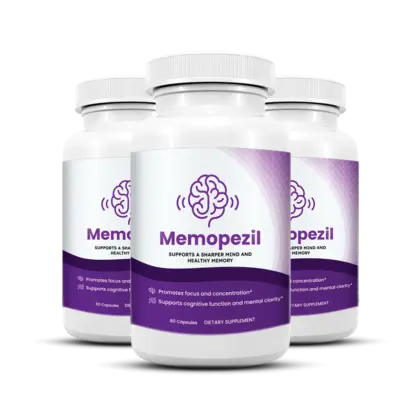
In summary, brain health is a multifaceted topic that includes nutrition, exercise, mental engagement, and lifestyle management. By supporting your brain with the right nutrients, staying physically active, and engaging in mindfulness practices, you can enhance your cognitive function and overall well-being. Remember, small changes can lead to significant improvements over time. Whether you're trying to combat age-related decline or simply looking to sharpen your mind, this guide equips you with the knowledge to take charge of your brain health. Don’t forget, natural supplements like Memopezil may also play a role in this journey, but they work best alongside a balanced lifestyle.Frequently Asked Questions
What are some natural ways to boost brain function?
Engaging in regular exercise, consuming brain-boosting foods, and incorporating mental exercises can enhance brain function.
How does sleep affect cognitive performance?
Quality sleep is crucial for memory consolidation and cognitive function; poor sleep can lead to diminished mental clarity.
Is it too late to improve cognitive health?
It's never too late! Engaging in healthy lifestyle choices can positively influence cognitive health at any age.
What role does diet play in brain health?
A balanced diet rich in antioxidants, omega-3s, and essential vitamins supports cognitive function and overall brain health.
Can supplements really help with memory?
Certain supplements like bacopa and l-theanine may support memory and cognitive performance, but they work best with a healthy lifestyle.
What types of exercise are best for brain health?
Aerobic exercise, strength training, and balance activities have all been linked to improved cognitive function.
How can I reduce feelings of brain fog?
Managing stress, improving sleep hygiene, and focusing on nutrition can help alleviate brain fog.
Are there specific foods that are better for brain health?
Foods rich in antioxidants, healthy fats, and vitamins—like blueberries and fatty fish—are particularly good for brain health.
References & Sources
- Neuroplasticity in Aging: Implications for Cognitive Function — Journal of Cognitive Neuroscience
- The Role of Magnesium in Age-Related Cognitive Decline — Journal of Nutrition
- Dietary Antioxidants and Cognitive Performance in Older Adults — American Journal of Clinical Nutrition
- Physical Activity and Cognitive Decline: A Meta-Analysis — Journal of Aging Research
- Mindfulness and Cognitive Fatigue: A New Approach — Journal of Clinical Psychology
- Natural Supplements for Cognitive Support: A Review — Journal of Ethnopharmacology
- Sleep Quality and Cognitive Decline: A Longitudinal Study — Sleep Journal
- Cognitive Engagement and Brain Health: A Comprehensive Review — Journal of Applied Psychology